Cemetery Monument Installation in Indiana
“My mother was cremated. Can we still get a memorial for her?”
This is not an unusual question, and many families are surprised to learn that the answer is yes. Families today have more memorialization options than ever before, and cremation memorials are becoming increasingly common throughout Indiana cemeteries.
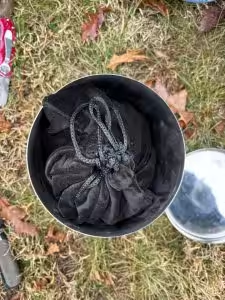
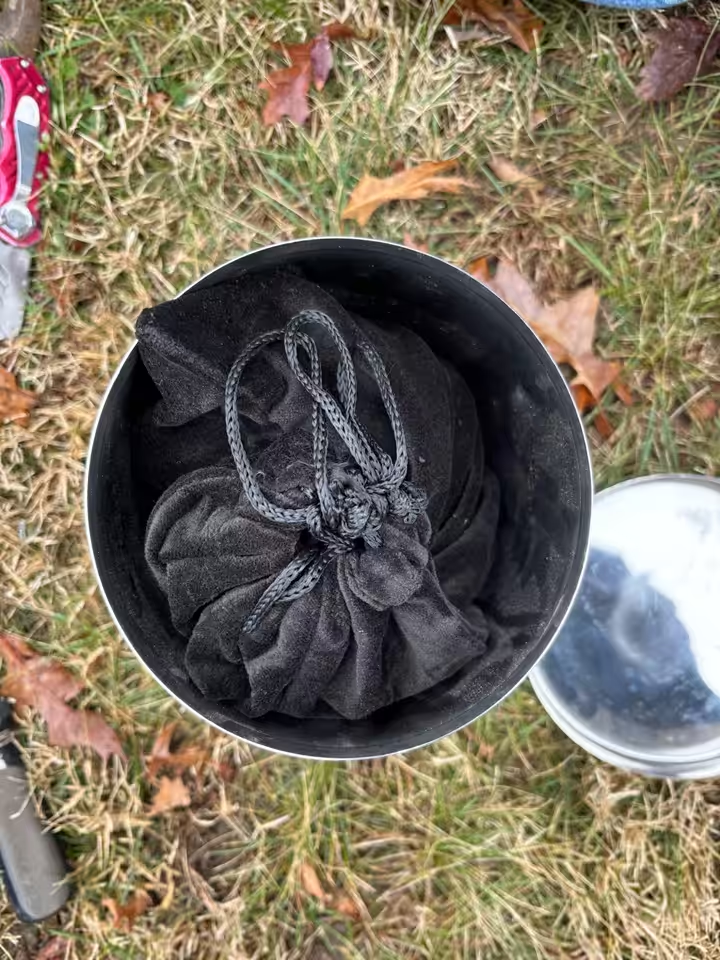
Some memorials appear to be traditional upright monuments but actually contain cremated remains inside, often called cremains. Other memorials are specially designed with hidden niches or chambers.
For some people, placing the remains in the memorial allows the monument to match existing family monuments. Others appreciate the flexibility it offers when combining traditional burial and cremation within the same family lot. As cremation memorialization continues to evolve, monuments can often be customized to accommodate a wide variety of family preferences.
Let’s look at the various ways in which we frequently incorporate cremains into memorial design.
How Are Cremated Remains Placed Inside a Monument?
There are several ways cremated remains can be incorporated into a cemetery memorial. The best option often depends on cemetery regulations, the type of monument desired, and whether the family is planning for one individual or multiple family members.
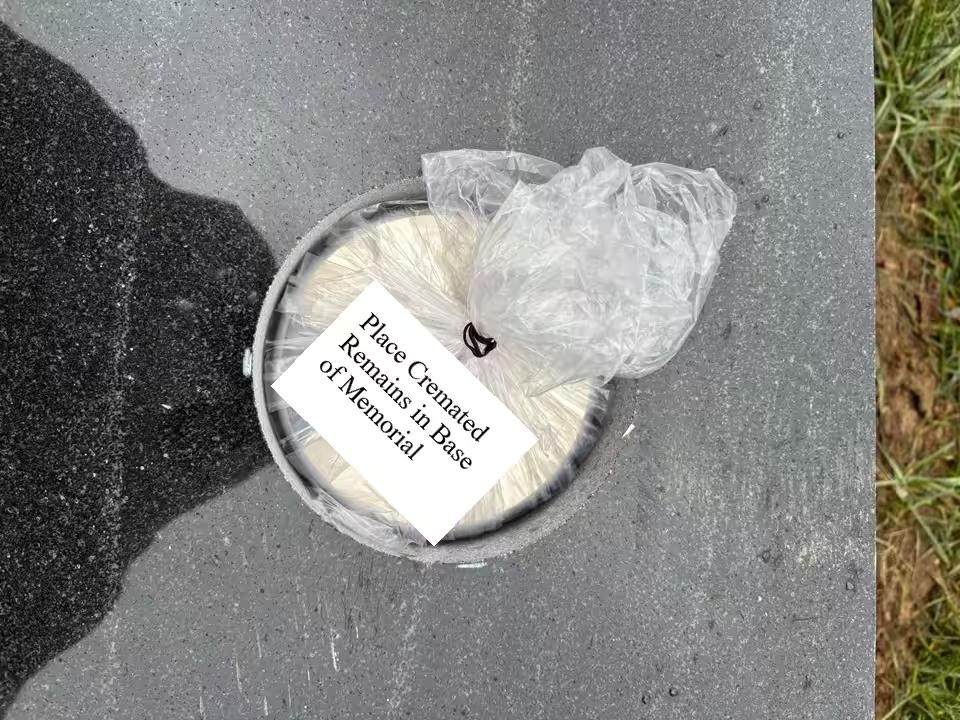
Cored Granite Monuments
One approach is to create a chamber directly within the granite monument. This process, often called coring, involves carefully drilling or hollowing a space within the monument to hold cremated remains.
The opening is typically concealed within the design of the memorial and secured after placement. From the outside, the monument appears no different than a traditional upright memorial.
Cremation Niches
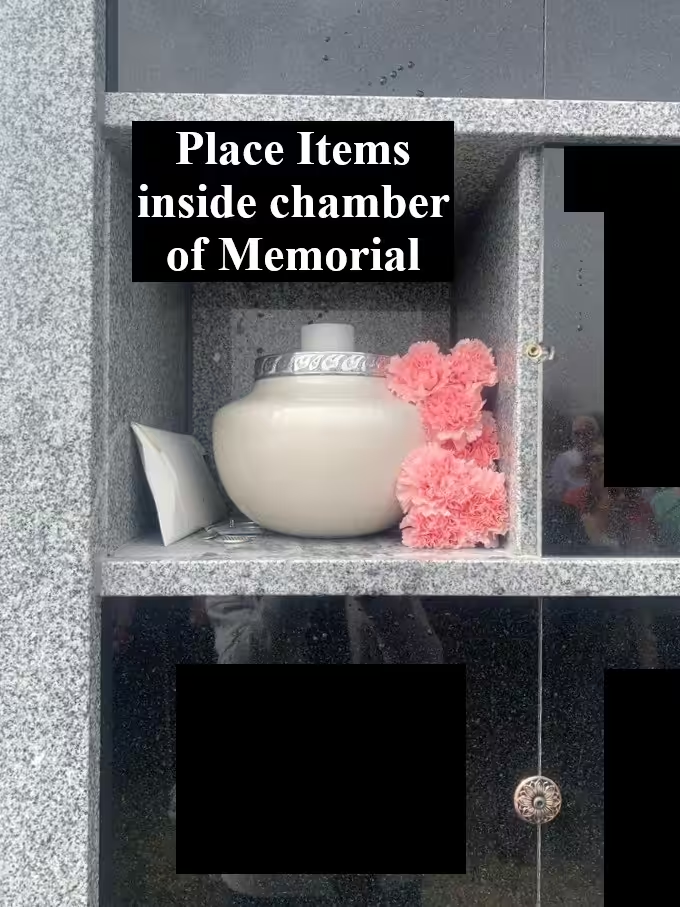
Another common option is a monument that includes one or more built-in cremation niches.
A niche is a dedicated compartment designed to hold an urn. Most niche-style monuments include a removable granite door that provides access to the compartment.
These niches may be incorporated into upright monuments, family memorials, bench memorials, or custom-designed memorial structures. Depending on the design, a monument may contain a single niche or multiple niches for several family members.
Chambers Within the Foundation
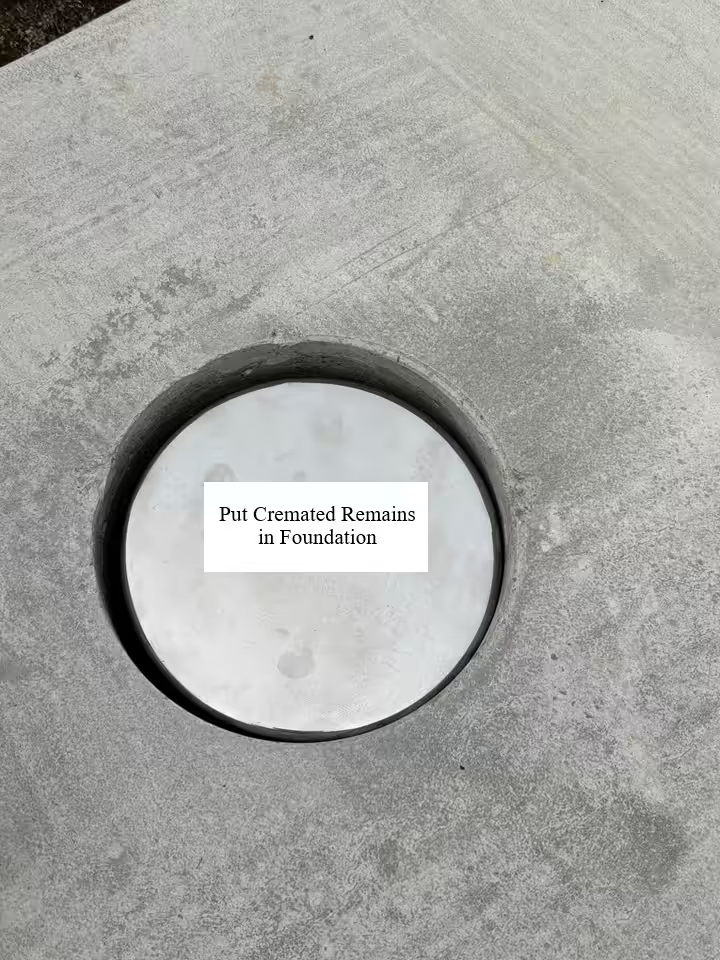
In some situations, cremated remains can be placed within the monument foundation rather than inside the granite memorial itself. The reinforced concrete foundation beneath the monument can be designed with a protected chamber for cremated remains.
This option is often selected when a monument cannot easily accommodate a niche or when coring the granite is not available. It is especially common with slant and bevel memorials, where the design may not allow enough interior space within the stone itself.
Choosing the Right Approach
Each method offers different advantages depending on the cemetery, the number of individuals being memorialized, and the family’s long-term plans. Some families prefer the simplicity of a cored monument, while others choose larger niche-style memorials that can accommodate future generations.
Because cemetery requirements differ, families should always confirm that this type of cremains placement is permitted before finalizing a memorial design.
For more information regarding choosing the right memorial, it may be helpful to review Cemetery Headstones and Monuments in Indiana and Choosing the Right Monument Size to better understand the different memorial styles available.
Can Cremation and Traditional Burial Be Combined?
Yes. Many cemeteries will allow for a traditional burial and cremation burials in the same lot. Each cemetery varies in its rules and regulations. We often see cemeteries allowing one traditional burial and one cremation burial in the same plot.
Additionally, with the addition of niches and spaces created in the granite and foundation, there may be possibilities of placing additional cremains. Because every cemetery establishes its own regulations, families should confirm current requirements before finalizing a memorial.
This accommodates changing preferences over time. One family member may choose traditional burial, while another may prefer cremation. A thoughtfully designed memorial can often honor both choices.
Families considering this option may also benefit from reviewing Cremation Memorials for Families: Can Multiple Family Members Share a Cremation Memorial.
What Types of Monuments Can Hold Cremated Remains?
Upright Cremation Monuments
These are among the most popular options. They resemble traditional upright monuments while incorporating interior space for one or more cremains.
Upright memorials are handled in two different ways. If the monument is at least eight inches thick, we have an option of coring into the granite to create spaces dedicated to placing loved ones. For memorials less than eight inches thick, we often create spaces in the foundation that the memorial would then cover once installed.
Upright monuments offer significant design space, allowing for inscriptions, religious symbols, carvings, portraits, or etched artwork. Carving and Engraving Techniques for Cemetery Memorials will explain many of the personalization options available.
Cremation Benches
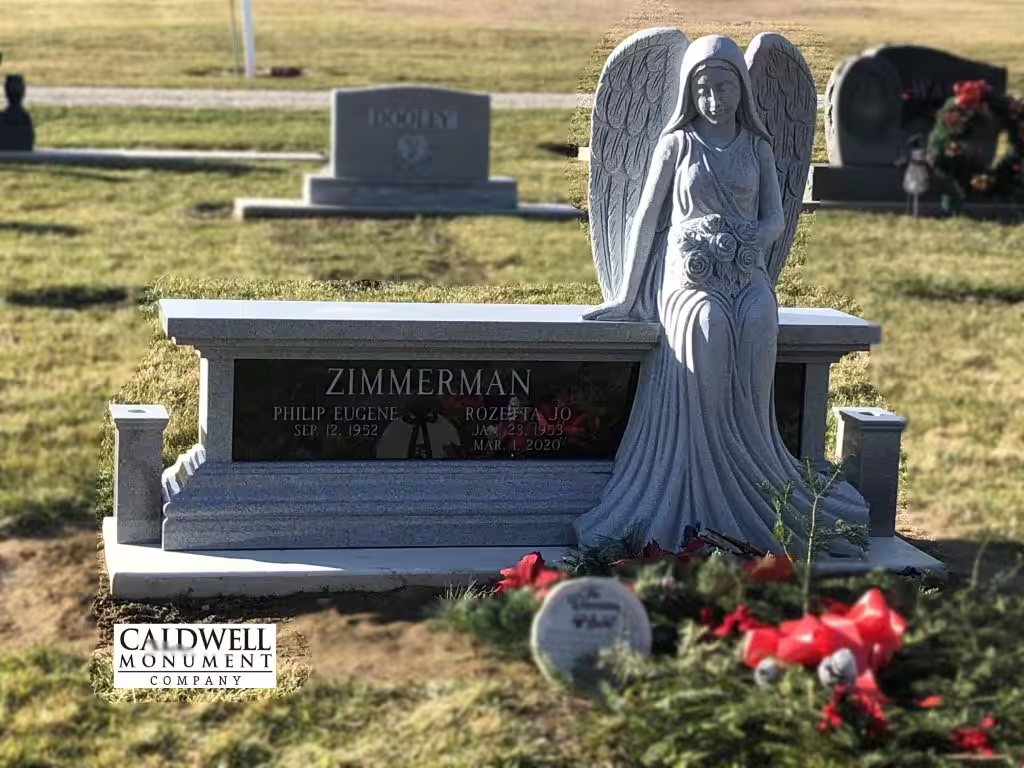
Memorial benches provide both seating and memorialization. Many are designed with concealed cremation compartments and are often placed in cemeteries, memorial gardens, or family cemetery sections.
A unique thing about cremation benches is that they can be designed with core holes in the pedestal or designed with a niche and cover. Both are great options.
Columbarium-Style Monuments
A columbarium is a specific type of memorial that utilizes niche spaces for the placement of cremains. These can be designed with any number of niches in mind, from large community columbariums to personal columbariums with a variety of niches.
Depending on the design, some niches may provide space for small keepsakes in addition to the urn. The niche doors create a space for personalization for everyone. These may serve a single family or, in larger cemetery settings, multiple families.

Marker Style Memorials: Slants, Bevels, and Flat Memorials
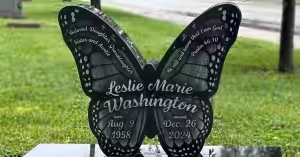
Smaller memorials also have plenty of options as well. Some specialty marker-style memorials are manufactured with built-in cremation chambers or cored compartments.
In other cases, a chamber within the concrete foundation allows nearly any memorial style to function as a cremation memorial.
Why Families Choose Cremation Monuments
Over the years we have had families describe many reasons for wanting a cremation memorial. Common reasons include:
- They prefer cremation over a traditional burial. Some people simply do not like the idea of being buried but still want a permanent place of remembrance.
- They want a permanent memorial after scattering ashes. Even if cremated remains are scattered, a memorial at the site where the ashes were scattered can provide a place where family and friends can gather and remember.
- They want to maximize the use of a family cemetery plot. Cremation monuments can often allow multiple family members to be memorialized within the same plot, depending on cemetery regulations.
- They want a dedicated place to visit. While cremated remains may be kept at home, scattered, or placed in a columbarium, many families find comfort in having a permanent location within the cemetery.
- They want to spare future generations difficult decisions. Some families worry that urns kept at home may eventually be moved, forgotten, or left to future family members who are not sure what to do with them. Placing cremated remains within a permanent memorial provides a lasting resting place that does not depend on future circumstances.
- They want to keep family members together. A cremation monument can often be designed to accommodate multiple individuals over time, creating a shared memorial for future generations.
In our experience serving Indiana families since 1947, many people appreciate having a visible memorial that includes names, dates, inscriptions, artwork, and personal design elements while also serving a practical purpose.
Do Cemeteries Allow Cremated Remains Inside Monuments?
Often they do, but regulations vary significantly from one cemetery to another.
Every cemetery establishes its own rules regarding:
- Monument size
- Foundation requirements
- Cremation placement
- Memorial types
- Installation procedures
- Future access requirements
Some cemeteries readily permit cremation monuments, while others may have restrictions based on the section of the cemetery or the style of memorial being installed.
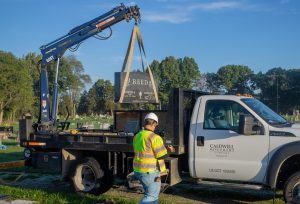
Before selecting any cremation monument, families should verify current regulations directly with the cemetery. An experienced monument company like Caldwell Monument Company can often assist by reviewing requirements before design work begins.
As noted in our cemetery planning resources, cemetery regulations frequently influence what type of memorial can ultimately be installed.
Are Cremation Monuments Durable?
When constructed from quality granite, cremation monuments can provide exceptional durability.
Granite remains the most commonly used material for cemetery memorials because of its strength, weather resistance, and longevity. Properly crafted granite monuments can endure for centuries while maintaining their appearance and structural integrity.
Granite is available in a wide range of colors, finishes, and design styles, allowing families to create a memorial that reflects both personal preferences and cemetery requirements.
The cremation chamber, niche, or core is incorporated into the monument’s design. It is protected by the same granite and concrete that is designed to last for generations.
Placement of Cremated Remains Compared
Ready to Explore Cremation Monument Options?
Whether the goal is to create a permanent resting place, bring family members together, or simplify future planning, today’s cremation monuments offer far more flexibility than many people realize.
Our team can help confirm what your cemetery allows and guide you toward a memorial that honors your loved one for generations to come. Contact us today to start planning a cremation monument that fits your family’s needs.
Frequently Asked Questions About Monument Installation
Can an urn be permanently sealed inside a monument?
Yes. Many cremation monuments are designed so the urn remains permanently housed within the memorial. The specific design depends on the monument style and family preferences.
Can multiple urns be placed inside one monument?
Often, yes. Many cremation monuments are designed to accommodate multiple individuals. Capacity varies based on the size and design of the memorial.
Is a cremation monument more expensive than a traditional monument?
Costs vary depending on size, granite selection, design complexity, and the number of cremation spaces incorporated into the monument. A custom design can help balance memorial goals and budget considerations.
Can cremated remains be added later?
In many cases, yes. Some cremation monuments are specifically designed to allow future placement of additional urns. Families should discuss future plans during the design process.
Does every cemetery allow cremation monuments?
No. Regulations vary by cemetery and even by section within the same cemetery. Always verify current cemetery requirements before purchasing a memorial.